What Are the Benefits of Botox?
Published Date:

Written By: Studiomedspa
Editorial Team
Core Insights:
- Botox softens frown lines, crow’s feet, forehead lines, and neck bands.
- Botox can also help prevent chronic migraines and reduce excessive sweating.
- Most Botox results last about three to four months.
- Botox works by temporarily relaxing targeted muscles.
- A licensed provider can tailor Botox treatment to your goals.
If you’re looking into anti-aging treatments, you’ve almost certainly heard of Botox. Its popularity has grown in recent years, and you may already have friends who use it for cosmetic or medical reasons. If you’re wondering whether Botox is worth getting yourself, it’s good to weigh up all its different FDA-approved uses to see if it matches your needs.
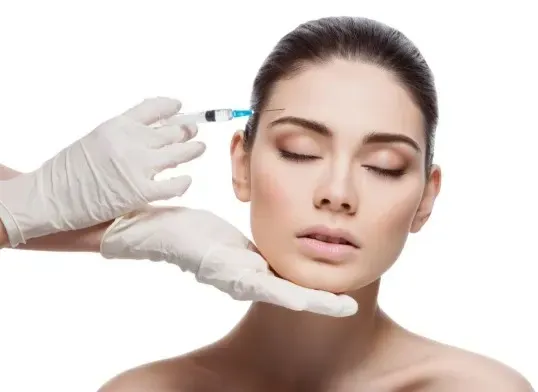
The benefits of Botox include reducing the appearance of frown lines, crow's feet, forehead lines, and neckbands. Beyond its cosmetic benefits, Botox can also provide relief for medical conditions such as chronic migraines and excessive underarm sweating. The results are temporary, and the right provider matters.
This article discusses the cosmetic and medical benefits of Botox based on its FDA-approved uses. It also explains how Botox works, how long it lasts, and answers a few common questions new users often ask.
What Is Botox and How Does It Work?
Botox is a neuromodulator made from botulinum toxin type A that temporarily relaxes muscles by blocking the nerve signal that tells that muscle to contract. U.S. pharmaceutical company AbbVie manufactures it and has been FDA-approved for select medical and cosmetic uses. There are two FDA-approved versions of the drug: Botox and Botox Cosmetic. Both are identical in formulation, but have different dosage guidelines and safety instructions.
Cosmetic Benefits of Botox
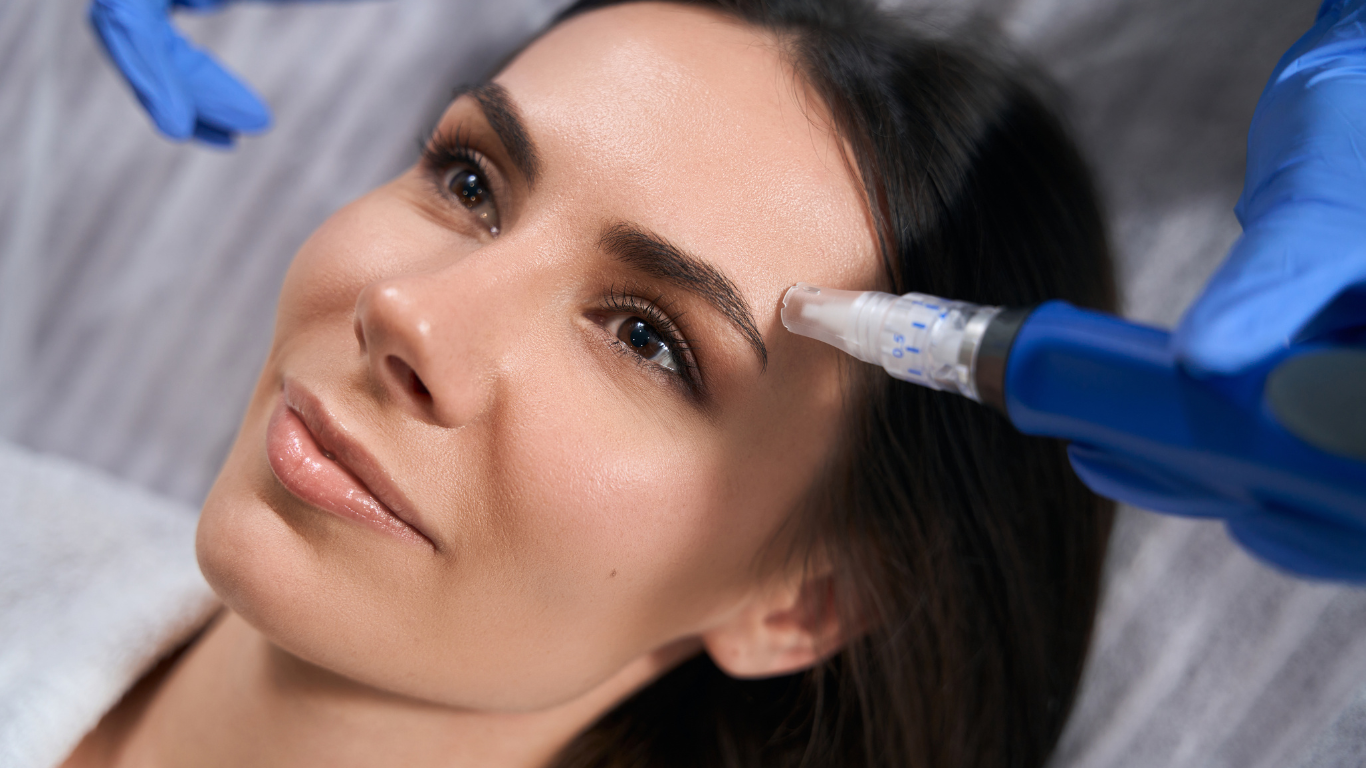
Botox Cosmetic is FDA-approved for frown lines, crow's feet, forehead lines, and platysmal neck bands. The FDA prescribing information for Botox Cosmetic also includes references to off-label uses for other aesthetic concerns.
Softens Frown Lines Between the Brows
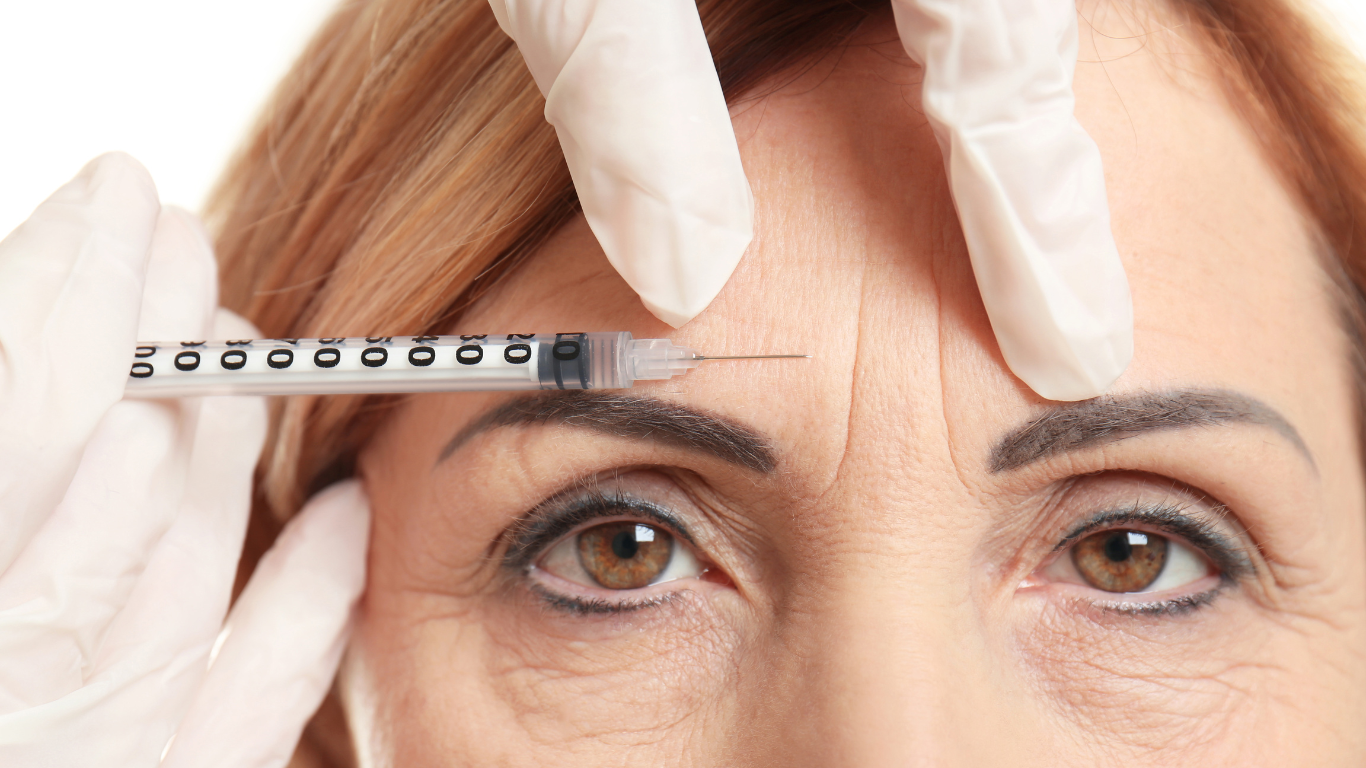
Botox can relax the corrugator and procerus muscles between your eyebrows. Once these muscles are relaxed, you can no longer pull them into vertical “11 lines” (glabellar lines) when you frown. Preventing this mechanism helps soften static wrinkles over time. A 2026 review of 44 placebo-controlled trials found that most people treated for frown lines had “none” or “mild” wrinkles at maximum frown within the first month of treatment.
Smooths Crow's Feet
When Botox is injected around the eyes, it relaxes the outer fibers of the orbicularis oculi muscle, which closes the eyelid. When relaxed, this muscle stops pulling the skin into deep creases when you smile, softening lateral canthal lines (crow’s feet) and improving their appearance over time. Botox Cosmetic is FDA-approved to treat moderate to severe crow’s feet.
Reduces Forehead Lines
Botox relaxes the frontalis muscle in the forehead, which lifts the eyebrows and wrinkles the skin. The frontalis muscle is the only one that controls the eyebrows, so providers usually pair forehead Botox with frown line injections to prevent a heavy-looking brow. Treating moderate to severe forehead lines is an FDA-approved use for Botox Cosmetic.
Improves Neck Bands and Jawline Definition
The FDA added platysmal neck bands to its list of Botox-approved uses in 2024. When injected into the neck, Botox relaxes the large platysma muscle that connects the jaw to the collarbone area. Treating this area softens the vertical cords that often appear there with age. A 2025 meta-analysis of three randomized trials of over 900 patients found that Botox improved neck band prominence for 120 days with no adverse effects.
Lifts Brows, Softens a Gummy Smile, and Slims the Jaw (Off-Label)
“Off-label” means uses of Botox that are not included in the official FDA-approved label. A licensed injector must still do them. A
2026 review of off-label aesthetic uses found that patient satisfaction was generally high with minimal adverse effects. One of the most popular off-label uses for Botox is the “lip flip”, which creates the appearance of a fuller upper lip. Other off-label treatments include reshaping a gummy smile and slimming the jawline and shoulders.
Medical Benefits of Botox
Before Botox took off as a cosmetic treatment, it was FDA-approved for medical uses, such as treating eye spasms and neck dystonia. Today, medical Botox treatments help improve the quality of life for people suffering from chronic conditions and pain.
Helps Prevent Chronic Migraine
Patients who get headaches at least 15 days per month can benefit from Botox for chronic migraines. Injecting it into the scalp and neck helps relax the muscles and ease tension that causes pain. The 56-week PREEMPT clinical program found that repeated Botox use helped to reduce the frequency of headaches and overall headache hours in chronic migraine patients.
Reduces Excessive Underarm Sweating
Botox is FDA-approved for axillary hyperhidrosis, a condition that causes the underarms to sweat excessively and uncontrollably. It is also often used off-label to treat sweaty palms and feet. Using Botox for excessive sweating helps to keep the area dry and comfortable by blocking the nerve signals that control the sweat glands. A recent scientific review of 12 randomized controlled trials totaling over 900 patients found that Botox injections significantly reduce sweating compared to placebo.
Calms an Overactive Bladder
Botox can be used to relax the detrusor muscle that lines the bladder, causing it to contract less often to reduce leaks and sudden urges. A urologist must administer Botox for bladder control. In a phase 3 randomized trial of 557 patients, Botox reduced daily leakage episodes more than placebo, and about 23% of treated patients became fully continent after treatment.
Treats Eyelid Spasms and Muscle Stiffness
Botox has long been used to treat involuntary muscle contractions that cause conditions such as blepharospasm (eye spasms), strabismus (crossed eyes), cervical dystonia (neck spasms), and limb spasticity. All these uses are FDA-approved. A 2020 Cochrane review of three randomized trials found that a single Botox session reduced eyelid spasms for up to 10 weeks.
Eases Jaw Tension and Teeth Grinding (Off Label)
The temporomandibular joint (TMJ) connects the jawbone to the skull. Disorders that affect this area can cause jaw pain, discomfort, and difficulty chewing. Some people also experience clicking and locking of the jaw joint. Many injectors have started offering Botox off-label for TMJ disorders. When injected into the jaw, it may help relax the muscles that cause jaw movement and teeth grinding.
How Long Do the Benefits of Botox Last?
The benefits of Botox usually last about three to four months for most people. A
2026 review of 44 placebo-controlled trials found that Botox results are strongest in the first month and generally wear off within six months. The longevity of your results depends on the treatment area, the dosage, and how quickly your body metabolizes the toxin.
| Botox Results Timeline | |
|---|---|
| First effects appear | A few days |
| Full results visible | Two weeks |
| Results fade | Three to four months |
| Next treatment needed | Six months maximum |
Get a Personalized Botox Consultation at The Studio Med Spa
If you’re interested in Botox, the best way to decide is to consult with a licensed professional. A qualified injector from The Studio Med Spa will gladly discuss the benefits of Botox for beginners, explain how the toxin works in more detail, and offer expert advice on dosage and treatment spacing.
Visit our clinic for natural, tailored
Botox in San Marcos. At The Studio Med Spa, we walk new and returning patients through the Botox process and personalize each plan to the individual.
Contact us for more information or to book a consultation at our clinic.
Frequently Asked Questions
What are the side effects of Botox?
The side effects of Botox are temporary and localized to the injection site. You may have some redness, swelling, and tenderness after your appointment. If the product migrates into unintended areas, it can cause drooping and uneven results.
Who should not get Botox?
People who are pregnant or breastfeeding, those with myasthenia gravis, Lambert-Eaton syndrome, or ALS, and those who have a known allergy to botulinum toxin should not get Botox.
Does Botox hurt?
Botox does not generally hurt. The needles are ultrafine, and most people compare the injection to a pinching or pricking feeling.
How long does a Botox appointment take?
A Botox appointment takes 10 to 15 minutes, depending on the area you’re treating. First-time appointments can take up to 45 minutes to allow for a consultation before the injections.
Can Botox prevent wrinkles?
Yes, Botox can prevent wrinkles by preventing expression lines that form when you frown, smile, or squint from becoming static wrinkles at rest.
What is the difference between Botox and fillers?
The difference between Botox and fillers is how they are used, how they function, and what they are made of. Botox is a neuromodulator made from botulinum toxin type A that relaxes facial muscles to smooth fine lines and prevent wrinkles. Dermal fillers have a gel-like consistency and are often made from hyaluronic acid. Fillers reduce facial volume loss when injected under the skin.
Does insurance cover Botox?
Insurance does not generally cover Botox when it’s used for cosmetic reasons. However, many insurance providers will cover it if the Botox is required to treat an approved medical condition such as chronic migraines or overactive bladder.
Written By: Studiomedspa
Editorial Team
Our editorial team is dedicated to providing accurate, evidence-informed information on aesthetic medicine, skincare, and wellness. Working closely with medical professionals and industry experts, we develop carefully researched content designed to help patients better understand their treatment options and make informed decisions about their care.
Recent Blogs