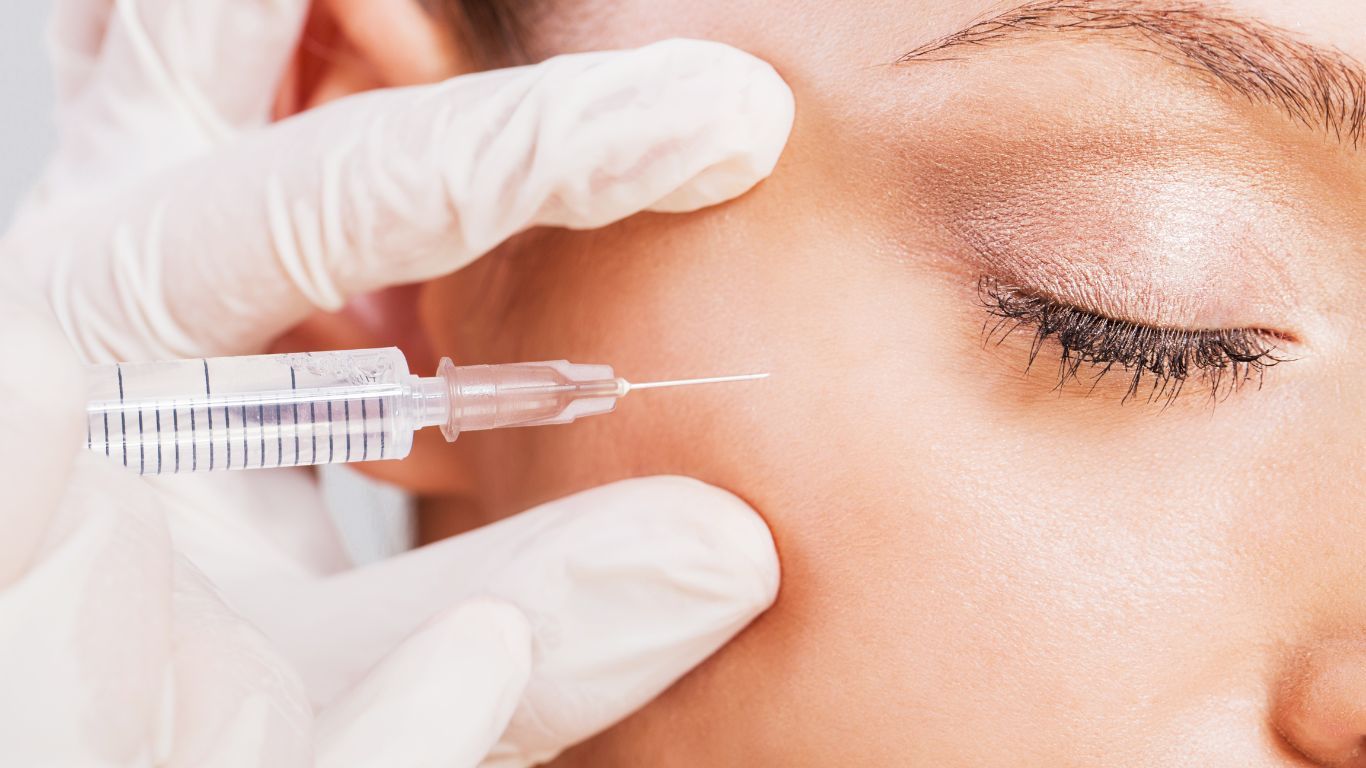
Custom Microneedling for Specific Skin Issues: Revitalize Your Complexion

Microneedling is a minimally invasive procedure that can be used to treat a variety of specific skin concerns. This safe and effective aesthetic procedure can be used to reduce acne, scarring, and more. What are some of the specific skin concerns this treatment can target, and is it right for you? The Studio Med Spa provides microneedling and other skin rejuvenating treatments!


What is Microneedling? 

Microneedling helps to better the skin by stimulating collagen production. This procedure uses a small pen-like tool to make pinpricks to the skin, and the skin sees these tiny pricks as injuries, which in turn causes the skin to produce new collagen-rich tissue. The result of microneedling is firm, smooth, and even skin. At The Studio Med Spa, our team is dedicated to the ultimate microneedling experience by helping to apply both a topical anesthetic before the treatment, and a calming serum after the procedure is done. A microneedling procedure should only take a few hours, which means you do not have to take a large amount of downtime to recover. 


Just how effective is microneedling? Since the inception of the concept of microneedling in
1995, it has steadily gained popularity for its effectiveness. In fact, microneedling sometimes trumps other skin rejuvenating procedures because when done by a professional, there are no side effects of scarring or hyperpigmentation. These side effects may be present when it comes to other treatments. 


How Can Microneedling Better My Skin?

The microneedling procedure can ultimately help address a number of skin concerns. Some clinics even use microneedling to allocate topical tretinoin or vitamin C for the skin, in order to further rejuvenate the skin. Many patients continue to look into microneedling because it can help reduce the signs of skin troubles, while revealing plumper and revitalized skin. Some of the skin concerns microneedling can specifically target include: 


Acne Scars

Acne scars can develop after a deep bout of acne has passed. Similarly, if a person has continuously picked or attempted to pop a deep pimple or cyst, the result may be acne scarring. Many people may often feel self-conscious about acne scars on their face, but microneedling can be the perfect choice to treat this type of skin concern. Microneedling helps this issue by boosting the skin to develop new and ‘untouched’ tissue. 


Age Spots

Age spots are also commonly referred to as sun spots. Age spots are small areas of hyperpigmentation on the skin. They are often caused by years of exposure to the sun, and they are usually benign. However, many people may not be happy with the presence of this hyperpigmentation on their skin, which is where microneedling can help. 


Large Pores

The presence of large pores on the face can be bothersome for many, and there are a number of reasons why large pores may be present to begin with. Some of the factors that go into the development of large pores include genetics, sun damage, and aging. With aging, there is less elasticity to the skin, which in turns causes pores to look bigger. Other reasons for large pores include increased hair follicle volume or sebum production. Fortunately, microneedling can intervene in a positive way by helping to produce skin that is more supple and rich in elastin. 


Uneven Skin Tone 

An uneven skin tone can come about when least expected. Sun exposure, skin inflammation issues, and air pollution are just a few of the reasons why an uneven skin tone may strike. If you are suffering with an uneven skin tone that is bothersome, microneedling can help. Talking with a team member at The Studio Med Spa can help you learn more about how microneedling works to provide even-toned skin that is also free of fine lines and wrinkles. 


Should I Try Microneedling Out? 

Many people are weary of microneedling because of the ‘injuries’. However, it is important to remember that these injuries are addressed by the skin itself in the production of new collagen-rich tissue. Collagen production within the skin may come to a grinding halt due to age and other factors, so this is why skin eventually begins to lose its suppleness and volume, leading to more sagging skin that may prominently show acne scars and other issues. If you are dealing with sun spots, uneven skin tone, large pores, acne scarring, and fine lines and wrinkles, you should definitely look into the microneedling procedure!


Call The Studio Med Spa!

Having healthy rejuvenated skin may be a goal for many. Lifestyle, age, genetics, and other factors can start to take a toll on the skin, leading to a number of skin concerns. Fortunately, microneedling is an innovative procedure that has only climbed up in the ranks of minimally invasive aesthetic treatments that provide effective results. If you are dealing with a specific skin concern, microneedling may be the key treatment to get your skin back to a revitalized and youthful stage!


Are you interested in learning more about microneedling? Concerned about any side effects or have further questions? Contact The Studio Med Spa to learn more about this treatment! Our team looks forward to answering your questions!
December 9, 2025
With numerous weight loss injections available, choosing the best option can become tricky. Understanding the roles of GLP-1 and GLP-2 hormones as weight loss treatments can help make your choice easier. While their respective functions differ, their correlation enhances the effects of each treatment. Introduction to How GLP-1 Works GLP-1 (Glucagon-Like Peptide-1) acts as your body’s ‘’fullness’’ messenger. It signals to your brain when you’ve had enough to eat, reducing over-indulgence. This hormone also helps control blood sugar by helping your pancreas release the correct amount of insulin. The GLP-1 can also slow digestion, keeping you satisfied for longer. Introduction to How GLP-2 Works GLP-2 (Glucagon-Like Peptide-2) works to keep your intestines healthy, constantly repairing and maintaining the gut lining. Healthy GLP-2 levels enhance nutrient absorption, ensuring your body gets the most from the food you eat. GLP-1 and GLP-2 complement each other. GLP-1 helps you feel satiated, while GLP-2 keeps your gut healthy, supporting better weight loss results. Which GLP Treatment Should I Use For Weight Loss? The difference between GLP-1 and GLP-2 matters here; GLP-1 is usually the first choice when weight loss is your primary goal. It reduces appetite, limits overeating, and supports smaller portions and fewer cravings. It enables steady, sustainable progress without extreme dieting. GLP-2 is more relevant when gut health needs targeted support, particularly in cases of poor nutrient absorption or ongoing digestive problems. It does not directly promote weight loss, but it helps maintain a healthier gut, which can support long-term well-being. The key distinction is that GLP-1 focuses on helping you lose weight, while GLP-2 focuses on how well your body processes what you eat. GLP-1 injections aid weight loss because you feel satisfied with less food and are less likely to snack compulsively. GLP-1s also slow gastric emptying, meaning food stays in your stomach for longer, which prolongs satiety and makes it easier to follow a balanced eating pattern without resorting to crash diets. Common FAQs on GLP-1 Injections for Weight Loss How soon will I start seeing results? Many individuals feel a difference in their appetite in the first two to four weeks. The numbers on the scale may move slowly initially, but weight loss builds steadily over time. Our patients appreciate the gradual progress as it’s sustainable and realistic. Do I need to follow a diet while on GLP-1 medication? Healthy eating will always be important, regardless of where you are in your weight loss journey. Although GLP-1 helps you feel satisfied after eating less, nutritious meals mean more energy and better long-term results. Balanced meals, less processed sugar and carbs, and mindful eating habits ensure effective treatment that is easier to maintain. Should I exercise while on weight loss injections? GLP-1 treatment pairs well with a regular exercise routine. Walking and strength training accelerate fat loss and can boost metabolism. Moderate activity can improve sleep and mood, which form part of a successful weight loss journey. Can I have the GLP shots if I don’t have diabetes? Before we prescribe a GLP-based weight-loss treatment, we conduct tests to determine the safest weight-loss solution for your body. Our GLP-based injectable weight loss treatments have been, and continue to be, a preferred choice among our clients without diabetes. Will I regain the weight if I stop the injections? GLP creates a starting point for change, but long-lasting success depends on maintaining a healthy lifestyle during and after treatment. A nutrient-rich diet, regular exercise, adequate hydration, enough sleep, and managing stress levels all contribute to positive long-term results. Who Is An Ideal Candidate for GLP-1 Treatment? A good candidate for GLP-1 weight loss injections is someone who struggles with appetite control or frequent cravings. You may also benefit if portion sizes feel difficult to manage, even with healthy intentions. These injections suit adults seeking steady weight loss rather than fast and temporary results. They work well for people with a BMI in the overweight or obese range, especially when lifestyle changes need extra support. With the proper guidance, GLP-1 can unlock progress that finally feels achievable. Do I Need GLP-2 For Weight Loss? GLP-2 weight loss therapy alone does not directly reduce appetite, so candidates should combine it with healthy eating and lifestyle strategies. People who want to strengthen their digestive system while supporting long-term wellness may find GLP-2 helpful. Paired with our experienced guidance, this treatment can complement numerous approaches and make weight loss more manageable and sustainable. GLP Therapies That Support Your Goals Choosing the right therapy starts with understanding the differences in how each works. Learning about GLP-1 vs GLP-2 helps you see which approach suits your weight loss goals. While GLP-1 supports appetite control and steady fat loss, GLP-2 strengthens your gut and improves nutrient absorption. Both have roles in overall wellness, but your needs determine the best option. Chat to us so we can create a plan tailored to your lifestyle, habits, and goals. With the proper guidance, our GLP therapies can make healthy, lasting weight loss feel achievable and realistic.
November 24, 2025
Hormones act as the body’s internal messengers and guide key functions like energy, mood, sleep, and metabolism. When these messengers become imbalanced, your body sends signals that require attention. Hormonal shifts affect men and women differently, but many signs overlap. Below, we will discuss the common hormone imbalance symptoms, as well as the gender specific indicators, so you can understand what your body may be trying to tell you. Common Symptoms of Unbalanced Hormones Hormone imbalance often shows up through signals that both men and women recognize. We explore the shared signs and help you understand how these changes may reflect shifts in your overall health. Unexplained weight changes – sudden weight gain or reduction without dieting or exercising can signal thyroid issues, insulin resistance, or sex hormone instabilities. Fatigue – if you’re constantly exhausted, even after a restful sleep, it could be due to thyroid issues, low testosterone levels, or adrenal problems. Medical testing can assist in identifying if there’s a link between your fatigue and hormones. Mood swings – progesterone, testosterone, or estrogen imbalance may influence brain chemistry, causing irritability. Cortisol imbalance can also activate anxiety-related symptoms. Sleep disturbances – difficulty sleeping may be associated with melatonin or other fluctuations. These disruptions may result in persistent drowsiness throughout the day. Hot flushes and night sweats – these symptoms are classic signs of menopause, although they can also be caused by other hormonal disorders in men, too. Hair loss - Hair thinning often starts when hormone levels decrease. High androgens like DHT, low estrogen or progesterone, or an off-balance thyroid can all affect your hair. Stress raises cortisol, which can increase shedding and weaken follicles. Skin changes – persistent acne may be related to low testosterone , dehyroepiandrosterone (adrenal hormone) or thyroid imbalances. Digestive problems - Hormones such as estrogen, progesterone, and cortisol influence digestion for men and women. Shifts in these hormones, especially in women, can trigger digestive issues like bloating, constipation, and irritable bowel syndrome (IBS). Female-Specific Hormone Imbalance Symptoms Women experience unique shifts that can affect cycles and mood changes due to hormones. This section focuses on the symptoms linked specifically to female hormone health . Irregular Menstrual Cycles Many women experience their monthly cycle like clockwork. Others experience irregular patterns. While delayed or missed periods can occasionally occur, it shouldn’t happen regularly, especially with significant gaps between each cycle. It’s common for women between 40 and 50 entering menopause to experience these symptoms, and they may seek menopause treatment to reduce their discomfort. For younger women, this may be a sign of PCOS and warrants an appointment with the doctor for further assessment. Vaginal Dryness While occasional dryness is generally considered normal, low estrogen levels could be the cause of this symptom. This hormonal imbalance can reduce moisture around your vagina, leading to constant discomfort and possible rashes. Infertility Hormones guide every stage of female reproduction, especially those controlling the menstrual cycle. They signal egg growth in the ovary, trigger its release into the fallopian tube, and prepare the uterine lining for implantation. One or more missing or imbalanced hormones can disrupt these steps, making conception more difficult. Signs of Hormonal Imbalance in Men Male hormones influence, among others, muscle mass, sexual health, and overall well-being. This section highlights the signs that may indicate a hormonal imbalance in men, and when testosterone therapy may be necessary. Erectile Dysfunction Hormonal balance is essential for healthy sexual function in men. Testosterone drives libido, sperm production, and overall performance. Low testosterone can cause erectile difficulties, while other hormones like prolactin and thyroid hormones also influence sexual health when they are not balanced. Loss of Muscle Mass Loss of muscle mass can signal a hormonal imbalance in men, especially when testosterone levels drop. Testosterone supports muscle growth, strength, and recovery after exercise. When this hormone decreases, men may notice weaker muscles, slower gains despite training, or increased body fat replacing lean tissue. Other hormones, including growth hormone and thyroid hormones, also influence muscle health. Paying attention to these changes can help men address underlying imbalances early and maintain strength, energy, and overall physical vitality. Mental Health Effects Linked to Hormonal Changes Hormones influence not only physical health but also mood, focus, and emotional well-being. When levels change, men and women may notice anxiety or depression. Brain fog and difficulty concentrating may also appear, making even the simplest tasks feel challenging. Recognizing these changes as potential signs of low hormones can help you take action early. Key hormones like estrogen, progesterone, testosterone, thyroid hormones, and cortisol all impact how the brain regulates emotions and stress. Even slight imbalances can disrupt mental clarity and emotional stability. Restoring hormonal balance often improves mood and sharpens focus, helping you feel more emotionally grounded, motivated, and clear-headed in your everyday life. HRT for Men and Women Hormone replacement therapy helps men and women restore balance when natural hormone levels decline. For women, HRT often targets estrogen and progesterone to ease menopause symptoms, while men may use testosterone therapy to address low energy, low libido, or muscle loss. We tailor treatment to individual needs, carefully monitoring doses and responses. Beyond relieving physical symptoms, HRT can improve mood, focus, sleep, and overall well-being. When managed correctly, it supports a healthier life for males and females. Many of our patients choose bioidentical hormone therapy, which uses hormones identical to those produced by the body, offering a natural approach to treatment. Contact us for a tailored plan to balance your hormones and support your health.
November 19, 2025
Like many medical treatments, the days or weeks leading up to your initial hormone replacement therapy consultation can feel slightly intimidating. These feelings can stem from the unknowns or uncertainty about the process or the importance of the transition itself. Many patients experience a combination of nerves and excitement before an HRT evaluation. We’re here to let you know that these feelings are valid and completely normal. To prepare you for your appointment, we’ll explore what to expect during your first session and how to maximize your treatment process. A Brief Breakdown of Hormone Replacement Therapy HRT involves replenishing declining hormones in your body. The treatment is primarily used to manage the symptoms of menopause in women aged between 45 and 55, although it may happen earlier. By replacing estrogen and progesterone levels, HRT helps in treating common menopausal symptoms. These symptoms include hot flushes, night sweats, mood swings and anxiety, as well as vaginal dryness. While HRT is commonly used to treat menopause and its associated discomforts, it also has other applications. HRT can help protect against osteoporosis and bone fractures in later life, especially when started before the age of 45. Specific cancers and conditions, such as Lynch syndrome or gene mutations, have previously been treated with HRT. Starting the hormone therapy process within 10 years of menopause may help lower the risk of cardiovascular disease. HRT is commonly used on females who have undergone a hysterectomy, which often causes the onset of menopausal side effects. Preparing for Your First HRT Visit Before starting treatment, we need to understand your body’s unique rhythm. This first step is a deeply personal experience that feels more like a wellness discovery than a doctor’s visit. It all starts with a conversation. Expect an open, friendly, and honest dialogue – we want to hear all about it. We can serve you better if we know when your symptoms first appeared, how they impact your daily living, and where you’d like to see improvement. Whether you’re struggling with mental clarity that steals your productivity or night sweats that disrupt sleep, this is your opportunity to speak openly. Many of our patients leave our practice feeling validated for the first time in years. Next comes a review of your medical history. We’ll ask about surgeries, menstruation patterns, thyroid problems, or family history conditions affecting hormones. It’s also important to be honest about your lifestyle habits, like exercise routines, alcohol consumption, and stress levels. Remember to be truthful about any medications or supplements you may be taking, as they could affect treatment outcomes. To design the most effective treatment proposal, we’ll request bloodwork during your appointment. Hormone imbalance testing screens for hormone levels, as well as thyroid function, blood sugar, cholesterol levels, enzymes, and nutrient levels. We may conduct additional urine or saliva tests, depending on the treatment you require. The more we know about how your body functions internally, the better we can tailor your HRT process. Once we’ve reviewed your lab results and medical history, we can create your custom-made plan. Instead of prescribing a one-size-fits-all approach, our findings allow us to personalize your treatment. Our transparent communication and education ensure you’ll understand each step of your journey. We believe in a collaborative approach to ensure we meet your preferences as well as your end goals. Tips to Prepare You for Your First HRT Appointment Starting HRT can feel overwhelming, especially if it’s your first time. Understanding what happens during an HRT appointment can help ease anxiety and help you prepare for the start of your treatment. Researching HRT and understanding the basics enables you to have a more informed and enjoyable appointment with us. Keeping a log of your symptoms can help us better understand your bodily functions for a more personal treatment plan. Keep a list of all your prescriptions, including over-the-counter medications, to avoid forgetting any of them. Also, note any allergies or reactions you may have to these. Be prepared to discuss your goals with us. This helps us further tailor your plan to maximize the results. Preparing a list of questions before your appointment ensures you leave feeling informed and confident about your next steps at our hormone therapy clinic. Consider bringing someone with you to your appointment. A friend not only provides support but can also help remember essential details about your HRT consultation. Remember to take some time after your appointment to process and absorb all the information shared between us. Plan your next steps and allow yourself to prepare for your treatment. Start Your HRT Journey With a Trusted Partner Starting hormone therapy is a personal journey, and having the proper support makes all the difference. At The Studio Med Spa, our team takes time to understand your goals and guide you every step of the way. If you’ve been scouring the internet for an “experienced HRT doctor near me”, we’re here to help you feel confident, informed, and cared for. Our tailored approach to HRT for women focuses on restoring balance, improving well-being, and helping you feel like yourself again. Book your appointment with us today and regain your life with bioidentical hormones and The Studio Med Spa.
Show More